Browsing Tag

royal family

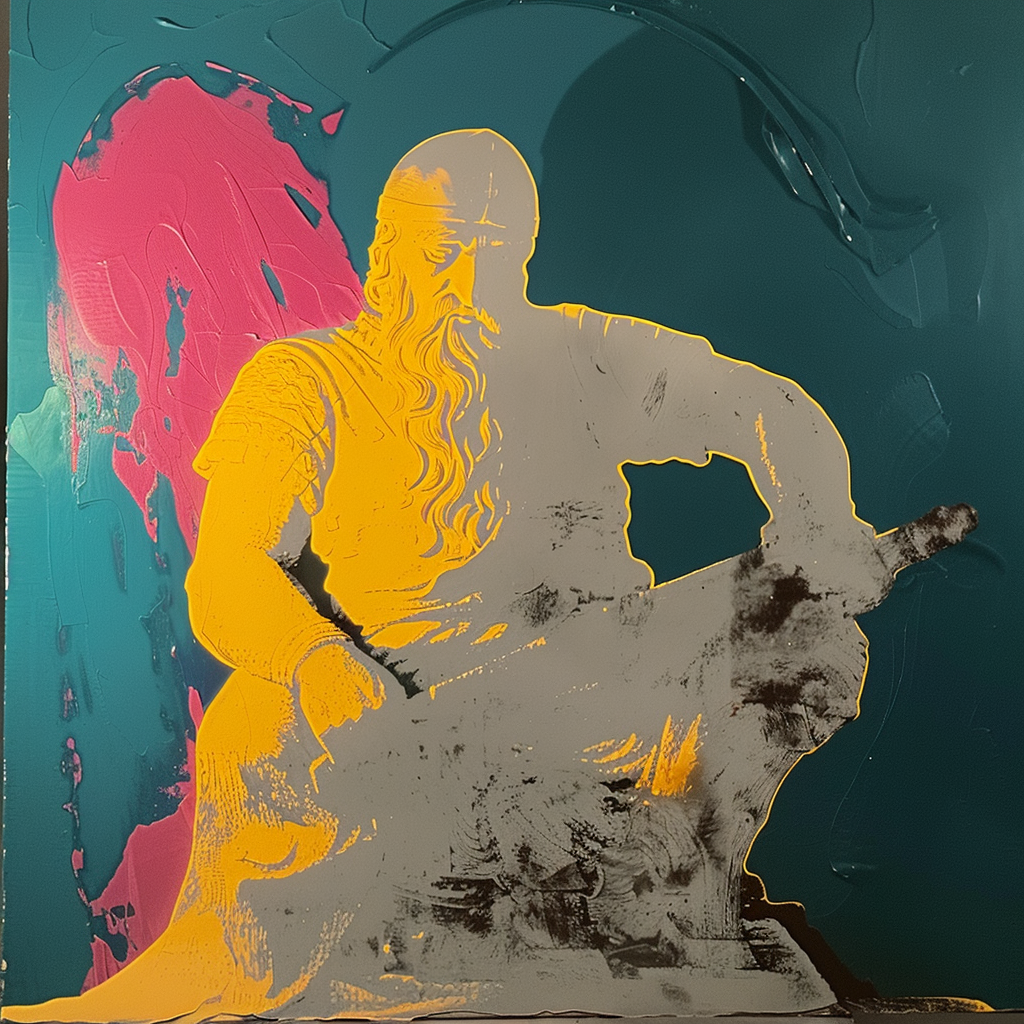
newcomers to copenhagen, made with Midjourney by Kay Xander Mellish
Podcasts, Stories about life in Denmark

13 Quick Tips for Newcomers to Copenhagen

Since I’ve lived in Denmark for some time, it can be hard to get in the headspace of a newcomer.

But that was my assignment recently when I spoke to a couple of hundred new students at the University of Copenhagen, who had just arrived in Denmark the day before.

I thought that some of these tips might be useful to you, my podcast listeners.

So here we go, lightning round, word association style.

Get an ugly bicycle in Copenhagen

Bicycle. When you arrive in Copenhagen, get one quickly, and get an ugly one. Don’t get a fancy one that is exciting to thieves. Denmark has a bicycle culture, but it also has a big bicycle theft culture.

A good option is a second-hand bike, but get it someplace legit, because if you get it from some random online you might find yourself riding someone else’s stolen bike.

Biking gives you freedom, it can take you anywhere at any time in any season in Denmark. And if you don’t know how to ride a bike, the Danish Red Cross has free classes for adults.

Yes, you do have to pay for public transport in Denmark

Transport tickets. There are no fare gates on the Danish metro or bus or train. You’re just trusted to buy a ticket.

However, there are controllers that go around and check, and if you don’t have precisely the right ticket when they check you, you will get a big fine.

Don’t bother with a dramatic story about how you didn’t understand the ticket system because you’re an innocent child from a faraway land.

Don’t cry. It doesn’t work, I’ve tried.

Keep your dignity, pay the fine, and then if you think it’s unfair, email the transport company. You can often get the fine reduced, in particular if it’s your first fine.

First names only in Danish culture

First names only. In Denmark, everybody goes by their first name. That includes university professors, bosses, priests, schoolteachers, doctors, even the prime minister. Mette. Mette Frederiksen.

Nobody uses Mr or Mrs or Doctor titles.

This is also true for older people. You don’t have to address them as Ma’am or Sir or Aunty or any of the other forms of respect common in other cultures. Just their first names – it’s what they want.

Always be on time in Denmark

Time and trust: Being on time is a big part of building trust in Denmark. A 10am class really is a 10am class, a 2pm meeting really is a 2pm meeting, and even for social events you have to be on time.

If someone invites you for dinner at 7 you really have to be there at 7.00.00. Otherwise your food will be cold. None of this turning up fashionably late.

And if you say that you’re going to be someplace, you really do have to turn up, or the Danes will be heartbroken. They were counting on you.

Splitting the check on a date in Denmark

Dating. Dating in Denmark is very egalitarian. The check is usually split in half. If it’s a male female date, the man may offer to pay, the woman might say no, and that doesn’t mean the date is a flop. People just like to be equal.

In general, Danes can be prickly about someone else picking up the check in a restaurant, even with friends – they do not want to feel obligated. Usually everyone splits the bill.

The exception is your birthday, when you pay for everything.

How to party if you don’t drink alcohol in Denmark

Drinking. Not all of Danish social life still centers on alcohol, but a lot still does. If you don’t drink alcohol , I’d recommend going to parties and Friday bars anyway and having elderflower juice, hyldeblomst. It’s a local favorite, light and sweet with zero alcohol.

You can also have what they call danskvand, or Danish water, that’s just plain water with bubbles in it. Put in a lemon or lime, it looks like a cocktail, nobody’s going to ask you any questions.

If you do drink alcohol, beer is generally pretty cheap in Denmark, wine less so, and cocktails very expensive. It’s common for a group of friends to drink at home before they go out to save money. (The Danes call it warm, in other words, warming up to a night on the town.)

Saving money in Copenhagen

Saving money. Restaurants and cafés and takeout are all very expensive here, so you’ve got to learn to cook for yourself or you’ll go broke. Look for items in supermarkets with yellow labels. Yellow is the color of discounts in Denmark.

Supermarkets often cut the price on food the day before it goes out of date. If you eat meat, you can buy a lot of this discount about-to-expire meat, freeze it, and eat it whenever you like. (I also recommend the app To Good To Go which offers discounts on “surprise bags” of bakery products, sushi, and other about-to-expire food as an initiative to avoid food waste.)

One thing you cannot do here is negotiate a discount at the supermarket checkout, and yes, I have seen people try. Flea markets, yes, supermarkets no.

You’ll notice that many of the staff in supermarkets are under 18. That’s because employers are legally allowed to pay young people less.

Your doctor in Denmark

Your doctor. Every person in Denmark legally gets to choose a primary care doctor, this is the famous tax-funded universal care. The doctors are self-employed, they own their clinics, but they are paid by the government, you don’t pay to see them.

What you do have pay for is medicine. If you need a prescription, they’ll send it electronically to a central system and you can pick it up at any pharmacy in Denmark, the price is the same everywhere.

That said, Danish doctors are often reluctant to prescribe medicine, in particular sleeping medication and antibiotics. These are t ough to get.

When you need someone to talk to in Denmark

Mental health. It’s August, it’s the light times, now is the time to start finding friend groups and activities, because the dark times are on their way. You do not want to be sitting all alone in your room during the dark times – November, December, January, February.

If you’re in Denmark and feeling alone and desperate, and the wait to talk to your doctor or to a free public counselor is too long, you can always make an appointment with a Danish priest.

Now, don’t freak out. You don’t even have to be a Christian! In the Danish state church, the priests are often middle-aged women. They’re not going to wear a funny outfit or talk too much about Jesus. They’ll just listen to you.

If you really need someone to talk to, a Danish priest from the state church is available in every neighborhood in Denmark. It’s fast, and it’s free. Don’t wait.

(Find your local branch of the state church in Denmark here.)

Hanging out with the Danish Royal Family

The Danish Royal Family. They are not big celebrities like the British Royal Family, you will see them walking around, especially in Copenhagen. I remember when I first got here looking through the window of a hair salon and seeing the then-Queen getting her hair washed.

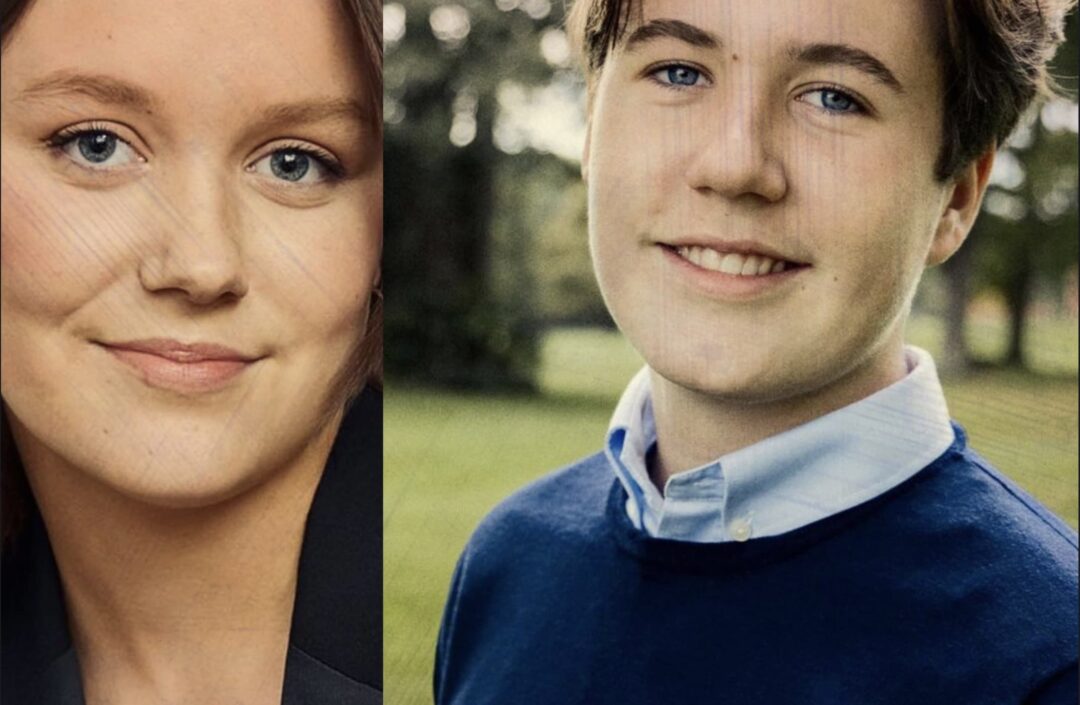
If you’re a young person like the people in my university audience, you might see Crown Prince Christian, the future king, out having a few beers. He’s 20, whatever, he likes beer. Same for his sister, who is 19 and currently in the Danish Army. When she gets a break she probably likes some beers as well.

If you’re single and heterosexual, keep in mind that Danish Royals always marry foreigners, never other Danes. The current King married a woman from Australia, his Mom married a Frenchman, his grandpa a Swede, his great-grandpa a German. So you have a chance.

Quiet, taxis, gifts in Denmark

Quiet. Denmark is a quiet country. You might be on a bus or a train FaceTiming with a friend at home and see a Dane looking at you in a disapproving way.

You might think it’s because you are a foreigner, and that could be true, but it could also be because you’re loud.

With the exception of those drunken Friday bars, this is a quiet country.

Listen to the traffic: there are almost no horns honking. Most Danish trains have a “silent car” where no one is allowed to talk or play music.

Danes like peacefulness. If you are loud, voice loud, music loud, TikTok on your phone with no earphones loud, any type of loud, you are going to get funny looks.

Taxis. Taxis aren’t as common here as they are in many other big cities, because public transport is reliable and clean and used by every social class. And taxis are expensive.

You can’t really call a taxi by raising your arm like you do in Hong Kong or New York City.

You have to go to a taxi stand or call a taxi to where you are, or use the local taxi app. And the local version of Uber is just another version of the local taxi app.

If you absolutely must use a taxi, perhaps if you have a lot of luggage, use the fixed price option in the app. This will help you avoid getting an unscheduled tour of the city.

Gifts. In many countries, gifts are a social cue and and important part of doing business, but not in Denmark.

You should never give your professor or your boss flowers or candy or any other kind of gift. They’ll be very uncomfortable if you do. They see it as a form of corruption, which is not OK in Denmark.

You also should not offer money to university administrators to get what you want, such as a better housing assignment, or to municipal officials or immigration staff to get them to bend the rules.

They will be angry if you do. This is not the Danish way.

Danish dinner party customs, image by Kay Xander Mellish 2026
Podcasts, Stories about life in Denmark

Why it’s OK to break your Royal Copenhagen porcelain

Some might say that the most Danish piece of furniture is the chair. The Swan Chair, the Egg Chair, the Wishbone chair. They’re all international design classics. You can buy a poster with 100 of the top Danish chairs, and if you go to Designmuseum Danmark there is a hall of chairs you walk through, the display cases stacked three high. Chairs, chairs, everywhere.

But I think the most Danish piece of furniture is the table. It is where traditional Danish cuisine is enjoyed, and sitting around the table, and sitting and sitting and sitting there for hours after a long meal, is where hygge reigns and people are included – or excluded, as the case may be.

Continue Reading

Gækkebrev Danish traditions vs Digitalization
Podcasts, Stories about life in Denmark, The Danish Year

March, Gækkebreve, and the things lost in Digital Denmark: The Danish Year Part 3

I’ve referred to “The Danish Year” before on How to Live in Denmark. It’s a series of events that are simply expected to happen every year in Denmark, even if they aren’t formal holidays. Now a book about these Danish customs is available. It’s called The Danish Year: Twelve Months of Customs, Quirks, and Rhythms of Everyday Life in Denmark, and it’s exclusive to Amazon Kindle.

“Am I being threatened?”

An international professional newly arrived in Denmark asked me this when he received a note in his apartment building mailbox. Now, this alone is unusual in Denmark. Since everything went digital about 10 years ago, we get very little paper mail. I don’t think I’ve received anything in months.

But he had. He had received a carefully decorated envelope, illustrated with crayon, in which there was a single piece of white paper, cut into a kind of snowflake pattern.

It had some Danish writing on it, a few short lines, maybe a poem. And it wasn’t signed…there were just a few mysterious dots.

The man, a highly educated engineer, was concerned. “Am I going to be kidnapped?” he asked me. “Is this some kind of ransom note?”

Gækkebrev are an old tradition

No worries, he was safe. What he had just received was a gækkebrev, or gække letter, named after the vintergække flower that used to come with these letters in the 1800s.

GækkebrevGækkebreve arrive just before Easter, and they are always carefully cut from a single piece of paper, usually in an elaborate pattern. The poems are usually standard, copied from a book, and they are anonymous, but the mysterious dots they are signed with correspond to the number of letters in the sender’s name.

So if I sent you a gækkebrev, I would sign it with three dots, for K-A-Y.

If you can guess who sent the letter, I owe you a chocolate Easter egg. If you can’t then you owe ME a chocolate Easter egg.

Thus, gækkebreve are very popular with small children looking for candy.

My guess was that maybe this engineer had a young child or young neighbor who might have made this at school. And he did.

Traditions vs. digitalization

Gækkebreve are a great Danish tradition, but like many other Danish traditions, they are fighting with the country’s ambitious digital agenda.

Continue Reading

Podcasts, Stories about life in Denmark

Who is Holger Danske?

Many countries have a fictional character who represents them. Uncle Sam for the USA, Marianne in France, Bharat Mata or Mother India.

Others have a legendary figure, who was real at one point but is now shrouded in myth, like King Arthur in England.

For Denmark, Holger Danske is both.

He was probably real, although he didn’t live in Denmark. He was a Danish knight living in France in 8th century, serving Charlemagne, and he appears in several of the epic poems of the time as Ogier the Dane.

When those poems were translated into Old Norsk, he became Oddgeir danski, which gradually morphed into Holger Danske.

The sleeping hero

He has been a hero for centuries. And he is a sleeping hero.

The legend is that when Denmark is in trouble, Holger Danske will rise from his slumber and come to its defense.

This is why during World War II, when Denmark was occupied by the Nazis, one of the largest resistance groups called itself Holger Danske.

Consumer products

If you’re not Danish, you may have experienced Holger Danske in the form of consumer products.

There is a Holger Danske moving company with trucks all over Denmark, a Holger Danske beer, Holger Danske Aquavit liquor, Holger Danske tobacco. There’s a Holger Danske bar. Holger Danske has appeared on the Danish national football shirt.

And, very famously, there’s a statue of Holger Danske in the basement of Kronborg Castle, often known as Hamlet’s Castle, in Helsingør, Denmark – which Shakespeare referred to as Elsinore.

(I go by the castle in my new audio tour of Helsingør.)

Continue Reading

Stories about life in Denmark, Travels in Denmark

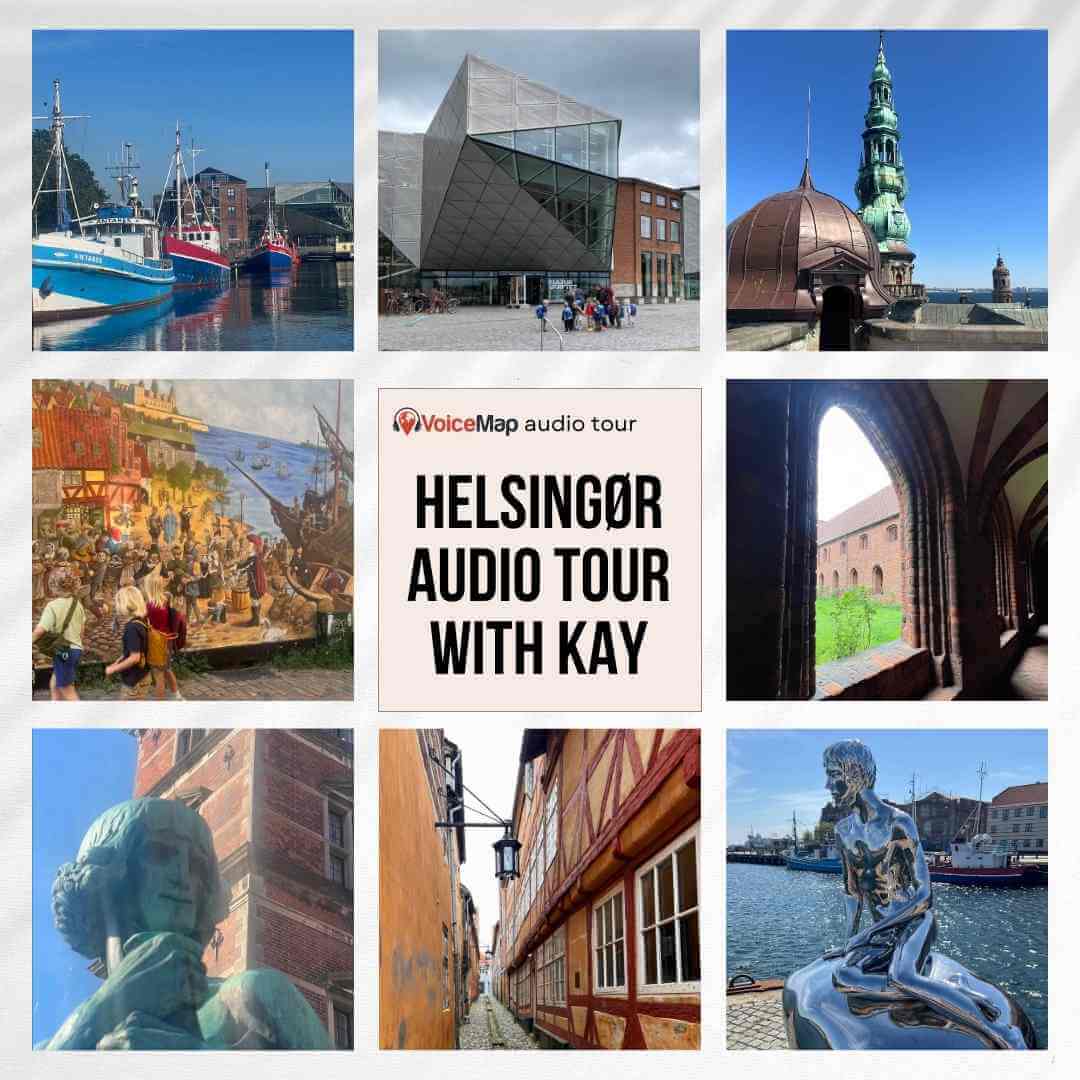
Take our “How to Live in Denmark” Helsingør self-guided audio tour

Visiting Denmark? Take our fun new self-guided audio tour of Helsingør, aka “Elsinore”, the setting of Shakespeare’s great tragedy “Hamlet”.

Designed in co-operation with VoiceMap Audio Tours, this is a GPS-triggered tour, so you can put your phone away and focus on the sights and sounds of this fabulous medieval city while I tell you amusing stories.

🏰 Walk the ramparts of Kronborg Castle, where the opening scenes of “Hamlet” take place, and hear about the king who built it and his 14-year-old bride.

✝️ Explore the streets of medieval Helsingør, and visit a quiet 15th century religious cloister that was once used to store tourists’ horses.

🚢 See the shipyards where giant ocean-going ships were built and enjoy the great Street Food market in one of the old shipyard halls.

🧜‍♀️ And meet the “Male Little Mermaid”, a 2012 version of the better-known female icon. It has a sensor one of its eyes, so it occasionally blinks at you.

Check it out here: Self-guided audio tour of Helsingør or access it via TripAdvisor.

(You can also take the tour virtually if you’re not in Denmark at the moment.)

Other Helsingør attractions

I can also recommend the M/S Maritime Museum if you have a full day to spend in Helsingør. Although you walk past it during this two-hour audio tour, the tour doesn’t take you inside.

Designed by the Danish celebrity architect Bjarke Ingels, it’s an exciting and colorful contemporary museum, even if you don’t think you care about ships.

The museum offers fascinating exhibits on the history and art of tattooing, the women who supported sailors both at home and abroad, and the Danish slave trade.

Vintage shopping

If you love vintage clothings or antiques, I can also recommend putting aside time to visit Helsingør’s many charity shops.

Although it’s a working-class town, Helsingør is quite close to the “whisky belt”, Denmark’s richest area. Rich people tend to have great giveaways.

Visit Sweden

Finally, Helsingør is a great jumping-off point for visiting Sweden. There’s a public ferry at the Helsingør train station that will take you there in 20 minutes.

You’ll land in the Swedish city of Helsingborg – similar name, but a very different vibe. It also has a great small hotel made out of an old bank vault.

Danish design audiotourComing soon: an update of my Self-Guided Danish Design Tour of Copenhagen.

Dead Viking Danish Mummy Graubolle man photo: By Sven Rosborn - Own work, Public Domain, https://commons.wikimedia.org/w/index.php?curid=4330456
Podcasts, Stories about life in Denmark, Travels in Denmark

How to Meet a Dead Viking: The mummies of Denmark

Many people who visit Denmark are fans of the Vikings, the familiar name for Scandinavians before the medieval era, although technically speaking the Viking raiders were at their peak in the years 800-1100.

There are plenty of opportunities, especially now during tourist season, to see modern-day Danes dressed up as Vikings, building wooden ships, cooking over open fires, and fighting with swords and shields. Exhibitions like this are very popular with visitors from overseas.

Viking ‘mummies’

What they might not know is that you can see actual Vikings in Denmark, or what’s left of their bodies. It was common in the Viking era and before to toss sacrificial items and people into peat bogs, which, it turns out, preserve bodies and clothing and hair very well.

So there are several places in Denmark where you can see actual humans from the Viking age, more than a thousand years old, and sometimes their clothes and hairstyles, sometimes even the last food they ate, reclaimed from their stomachs.

Some bodies are so well-preserved that they still have fingerprints.

Continue Reading

Stories about life in Denmark

Rich in Denmark

Denmark is a rich country, but does it have rich people?

It does, but Denmark’s wealthy tend to keep a low profile, due to the informal Jante Law that prohibits too much showing off.

That said, spring and summer is great time to see Danish rich people in their natural habitat.

That’s when they put the roof down on their expensive German cars and drive through the medieval old towns, drink rosé chilled in silver buckets at fancy outdoor cafés, or sail through the harbor on their personal boats of various sizes.

In the summer, Denmark’s rich come out to play.

Two types of wealth

There are two types of wealth in Denmark, old wealth and new wealth.

Old wealth is the leftovers of Denmark’s nobility, Dukes and Counts and Barons, even though noble privileges were officially abolished in 1849.

Many of these families still own their old castles and country houses, some of which have been turned into hotels or fancy restaurants. You can stay there for a weekend with your sweetheart. Very romantic.

And then there’s new wealth. Denmark’s richest man owns Bestseller, a fast fashion chain that owns names like Vero Moda and Jack & Jones.

The heirs to LEGO, which is less than 100 years old, are also quite well off, and so are the heirs to the Ecco shoe fortune.

Continue Reading

Stories about life in Denmark, Travels in Denmark

The Bridges of Denmark

I don’t do a lot of stock market investing, but if I did, I’d want to go back in time and invest in companies that build bridges in Denmark. This country is on a tear when it comes to bridge building. Over the past decade, there have been 5 new major bridges in Copenhagen alone, and at least one new major one is planned.

And because this is Denmark, and people love design, each bridge has its own special look. You can’t just put up a few bridge supports and a deck on top for traffic. You need style, and you need a colorful name.

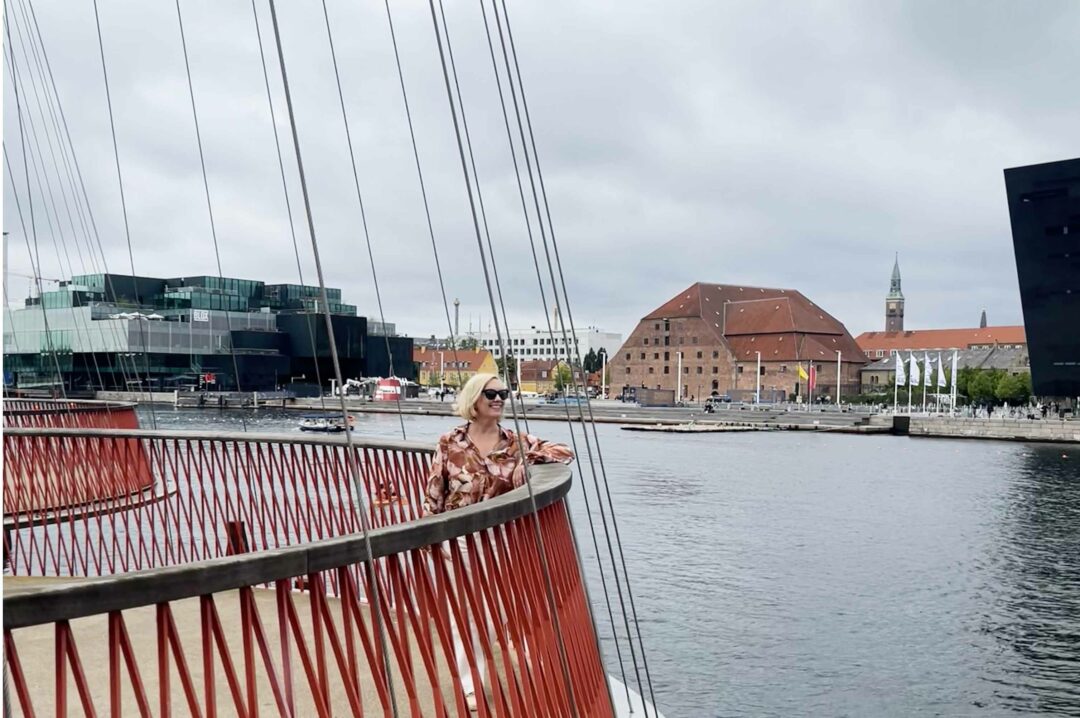
Consider, for example, the multicolored Kissing Bridge in Copenhagen. It’s not named that because you’re supposed to kiss on the bridge, although you can if you like. It’s named that because it breaks in half on a regular basis to let ships through, and then it’s supposed to come together again like a kiss.

The Kissing Bridge has needed to visit a relationship counselor, however, because there have been constant problems getting it to kiss. It wasn’t quite aligned the way it was supposed to be.

It seems to work now, although it’s rather steep and a difficult ride for bicyclists, which is rather a shame, because it is a bicycle and pedestrian bridge only. There are no cars on it.

Bicycle Snake and Brewing Bridge

The Bicycle Snake and the Brewing Bridge a little further down the harbor are also just for cyclists and walkers, and so is the Little Langebro bridge.

The Little Langebro bridge is currently the newest bridge in town, just a couple of years old. This is a neighborhood I don’t go to often, and I remember coming home from a late night engagement to suddenly find a new bridge in front of me, all lit up and ready to serve.

Whoa! Unexpected bridge. It was like a dream.

Continue Reading

Stories about life in Denmark

The ballad of the Danish Royal Teenagers

It’s hard to be a teenager no matter who you are or where you live, but spare a thought for the two teenagers who are currently part of the Danish Royal Family.

Christian is just 16 years old, and he’s the future King Christian the Eleventh of Denmark. Danish kings alternate between two names, Christian or Frederik, and his father’s name is Frederick, so Christian’s name was in place before he was even conceived, before his parents even met. He was always going to be Christian the Eleventh.

His sister, Isabella, is 15, and she and her young twin siblings are the spares. They have all of the media attention and the responsibility for good behavior that their brother has, but with no royal job waiting for them when they get older. Sure, they may cut a ribbon here or there, but they will have no guaranteed income from the Danish taxpayers.

Christian and Isabella have been in the news this week because the boarding school that Christian attends, and that Isabella plans to attend, was the subject of a TV documentary on bullying. This a school for Denmark’s elites – and yes, there is an elite class in Denmark, although they generally stay very well hidden. And this is an old-fashioned boarding school that still begins each educational year with a bird shooting, using bows and arrows.

According to some former students, violence was a part of daily life in the school. New students were dragged out of bed in the middle of the night and assaulted by older students. Many of those students are now leaders in Danish government and business life.

Continue Reading

Podcasts, Stories about life in Denmark

Queen Margrethe, Denmark’s good-humored, much-loved monarch

Many Danes adore their Royal Family, and follow every twist and turn of their story in glossy magazines and now, a glossy Instagram feed.

In this approved Royal media, children are always well-dressed and smiling, marriages are always happy, and royal parents are always deeply royal proud of their offspring. Everybody trims the Christmas tree together, or goes for a healthy run together, or attends large galas in fancy dresses and glittering jewelry.

But there are also some Danes who dislike the monarchy and the roughly 100 million kroner they cost Danish taxpayers each year. These people call the royal family Denmark’s biggest welfare recipients.

Continue Reading